Table Of Contents
Skipping the Design Phase
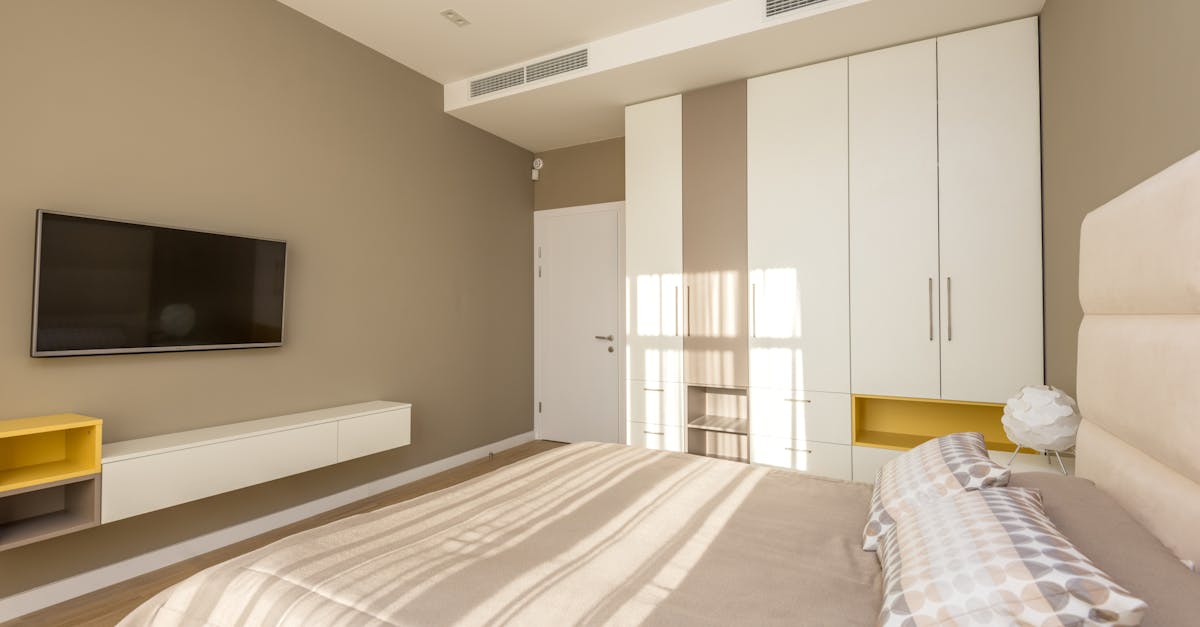
Many people underestimate the importance of the design phase when creating built-in wardrobes. Rushing into the construction without careful consideration can lead to numerous problems. A well-thought-out design allows for efficient use of space and ensures that the wardrobe meets individual needs. Ignoring this step might result in a lack of functionality, wasted space, and even dissatisfaction with the final product.
Inadequate planning often leads to regret after the project is completed. Without a solid design, homeowners might find their built-in wardrobes inefficient, lacking necessary storage solutions or not complementing the surrounding decor. Taking the time to sketch out ideas, consider dimensions, and visualize the end result will contribute significantly to the wardrobe's overall success. A successful design phase lays the foundation for a functional and aesthetically pleasing installation.
The Value of Detailed Planning
Thorough planning is crucial when creating built-in wardrobes. It allows for a clear vision of the available space and helps identify the specific needs and preferences of the user. Failing to engage in this process can lead to a wardrobe that lacks functionality and does not utilize space effectively. Having a well-thought-out design enhances the overall aesthetic while also ensuring practicality.
Incorporating detailed sketches and measurements during the planning phase ensures that built-in wardrobes fit seamlessly into the room. This preparation enables homeowners to anticipate potential issues, like obstructions or space limitations, that may arise later on. By considering elements like door swing and shelf placement ahead of time, individuals can create a storage solution that truly enhances their living space.
Ignoring Lighting Options
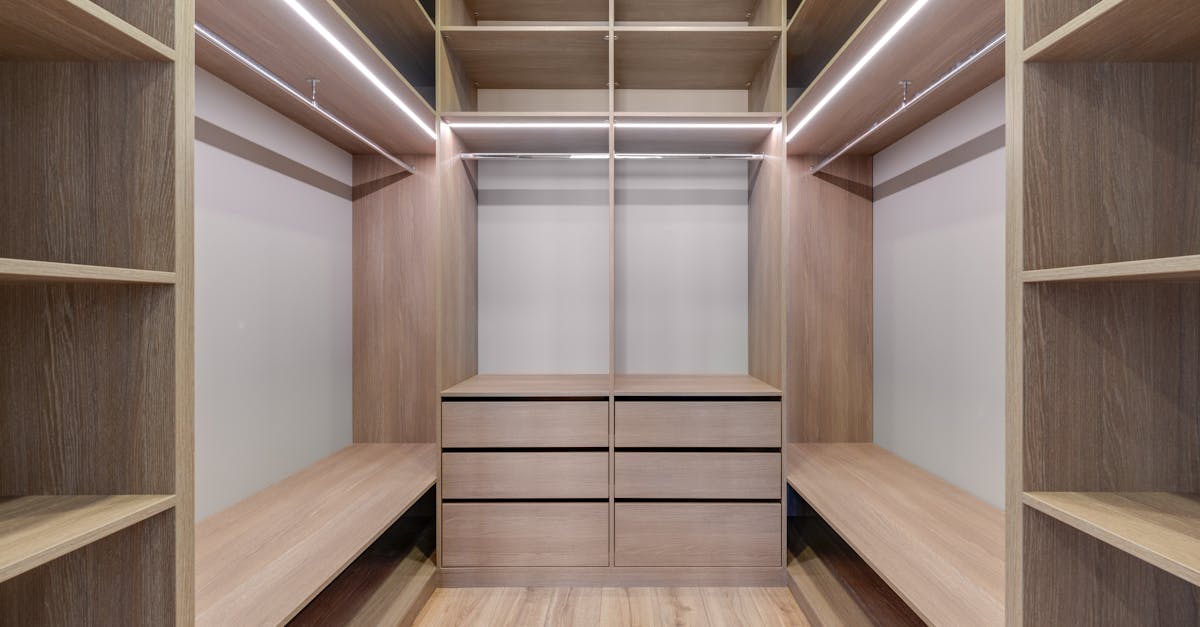
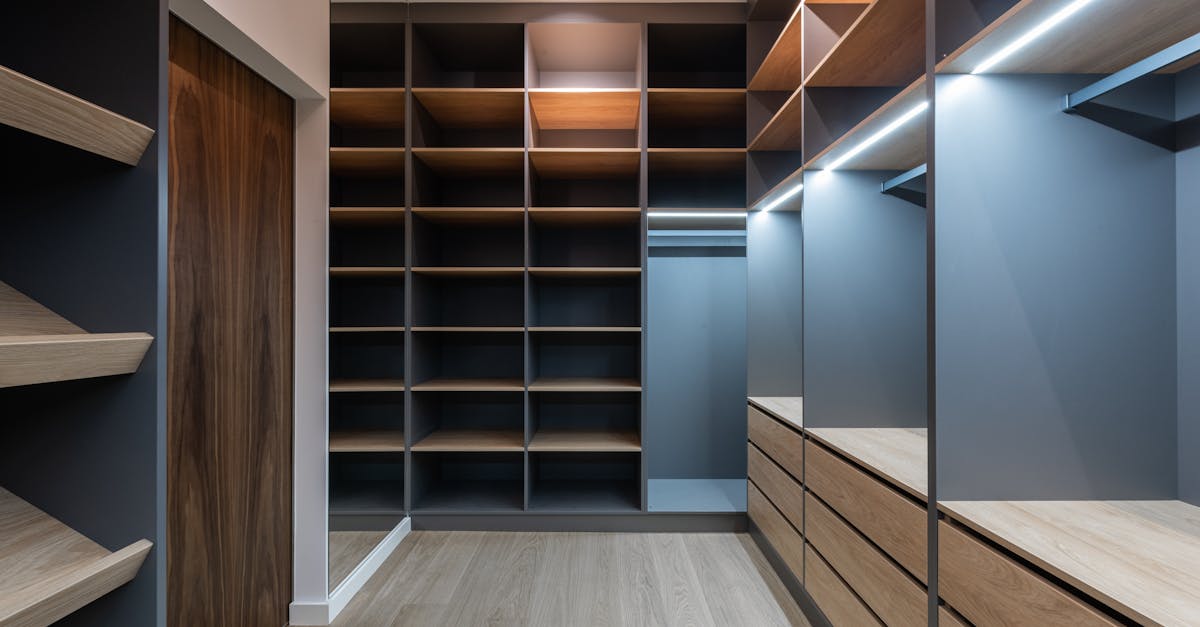
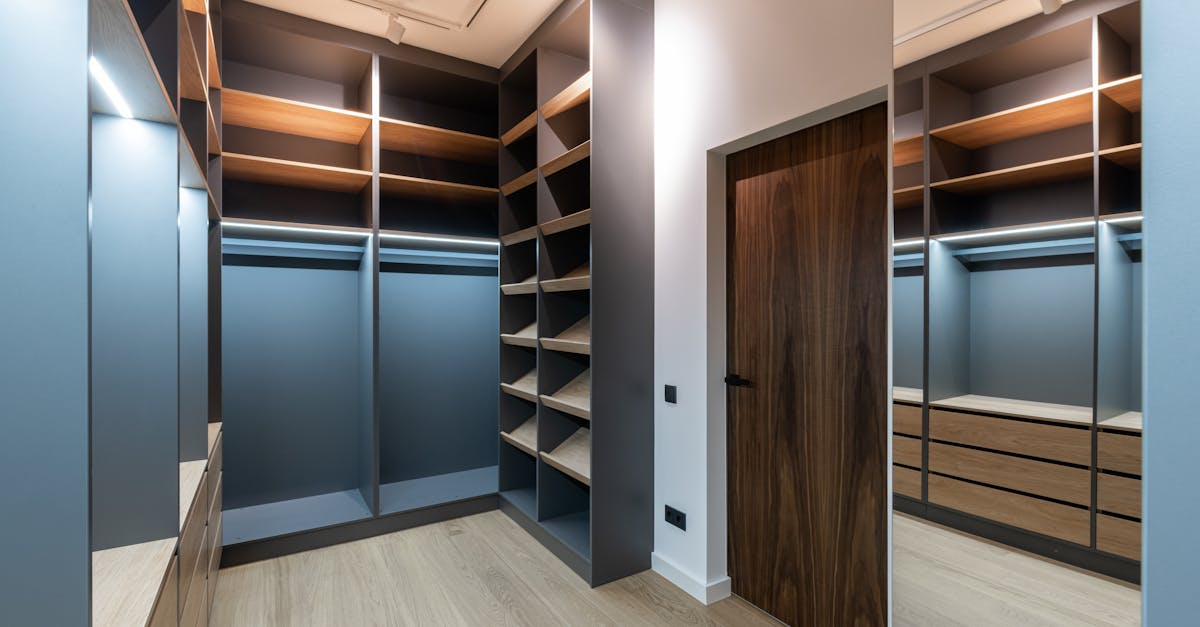
Lighting plays a crucial role in the overall functionality and appeal of built-in wardrobes. Without adequate lighting, it can be challenging to see and access clothing and accessories, leading to frustration and inefficiency. Task lighting, such as LED strips or spotlights, can illuminate specific areas, making it easier to find items even in deep or dark corners. Natural light can also enhance the space, providing a welcoming atmosphere and allowing colors and textures to be appreciated more fully.
Neglecting to incorporate lighting options during the design phase may compromise the wardrobe's usability. A well-lit wardrobe not only adds aesthetic value but also improves the user experience, allowing a smoother daily routine. Adjustable lighting solutions can adapt to various needs, from searching for a specific outfit to simply enjoying the space. Properly planned lighting elevates built-in wardrobes from mere storage areas to organized and inviting features of the home.
Enhancing Visibility and Ambiance
Good lighting can significantly transform the functionality and aesthetics of built-in wardrobes. Without proper illumination, even the most organized and stylish wardrobe can feel chaotic. A well-lit interior not only enhances visibility but allows for easier access to clothing and accessories. Implementing a combination of ambient and task lighting can create a bright and inviting atmosphere within the space.
In addition, consider incorporating adjustable lighting options. Flexible features like dimmers or motion sensor lights help tailor the brightness according to needs. A carefully designed lighting scheme can highlight the textures and materials of the wardrobe, contributing to the overall room ambiance. Thoughtful lighting choices can turn built-in wardrobes from mere storage spaces into integral elements of home design.
Overlooking Organization Systems
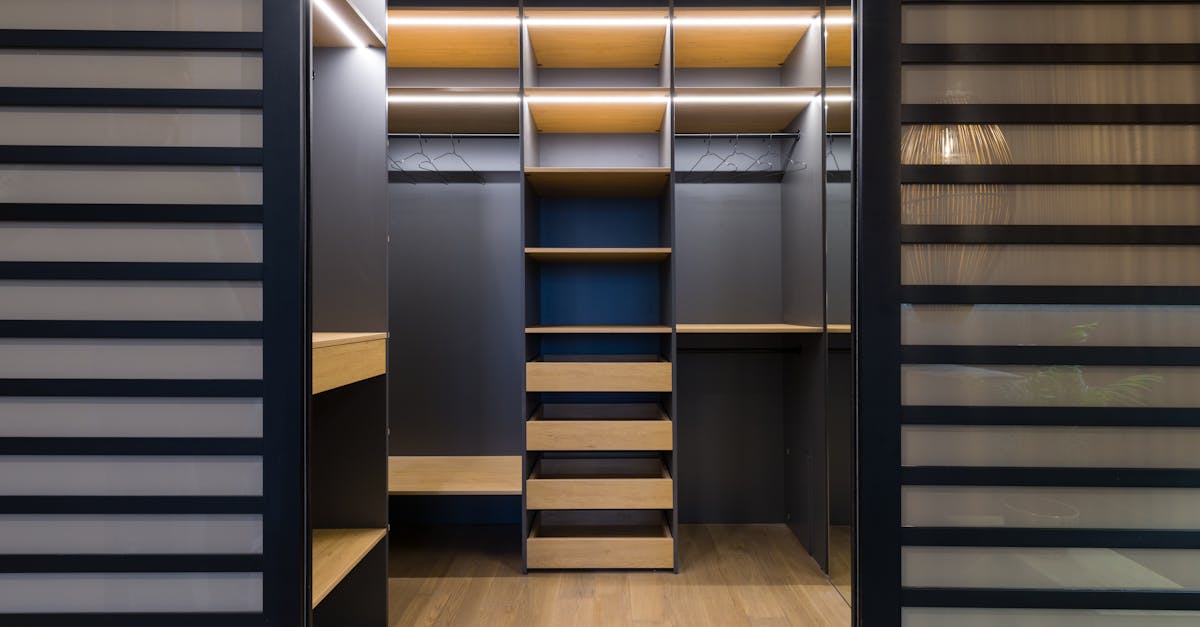
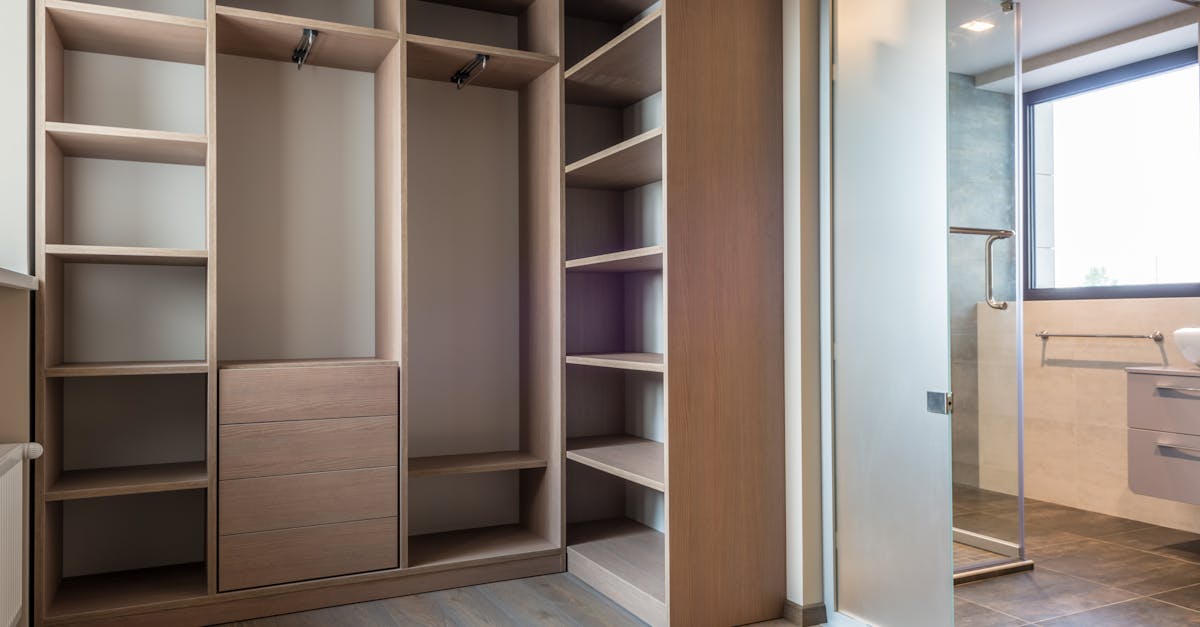
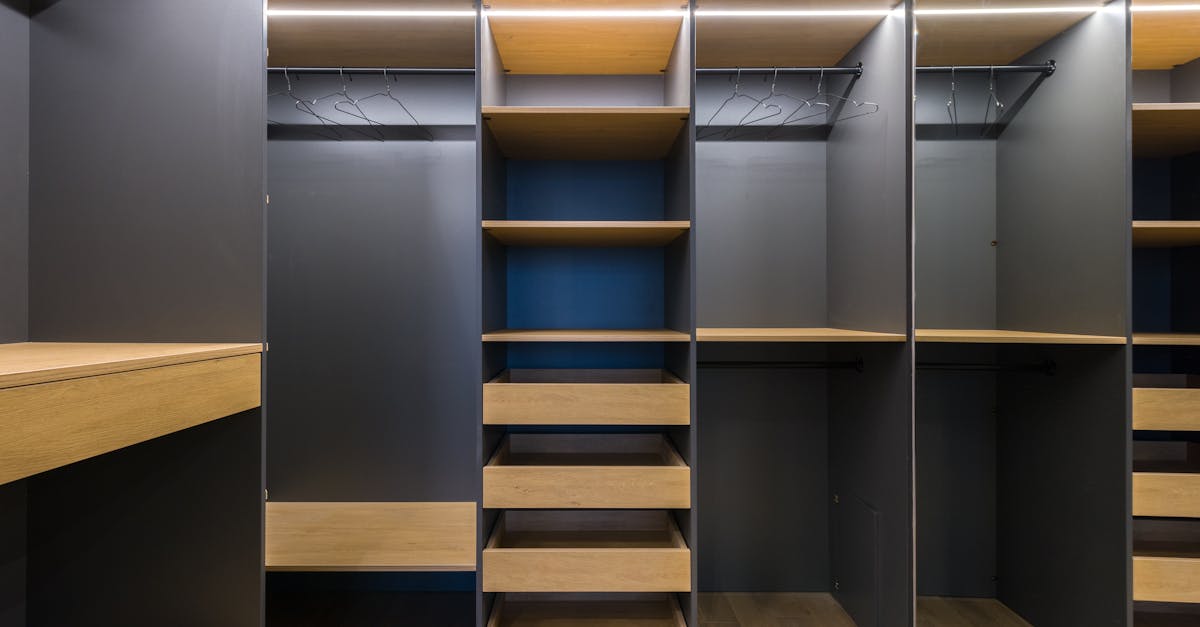
Overlooking organization systems can lead to clutter and inefficiency in built-in wardrobes. A well-designed wardrobe should include various compartments and features to accommodate different types of items, from clothing to accessories. Without thoughtful organization, it’s easy for items to become lost or difficult to access. Incorporating drawers, shelves, and hanging areas based on personal habits can significantly enhance the user experience.
In addition to basic shelving, integrating specialized organizational tools can optimize available space. Consider features like pull-out racks, adjustable shelves, or dedicated compartments for shoes and jewelry. This level of planning not only improves accessibility but also promotes a clean, orderly appearance. Thoughtfully designed organization systems in built-in wardrobes can transform them from simple storage areas into functional and enjoyable spaces.
Maximizing Efficiency with Smart Layouts
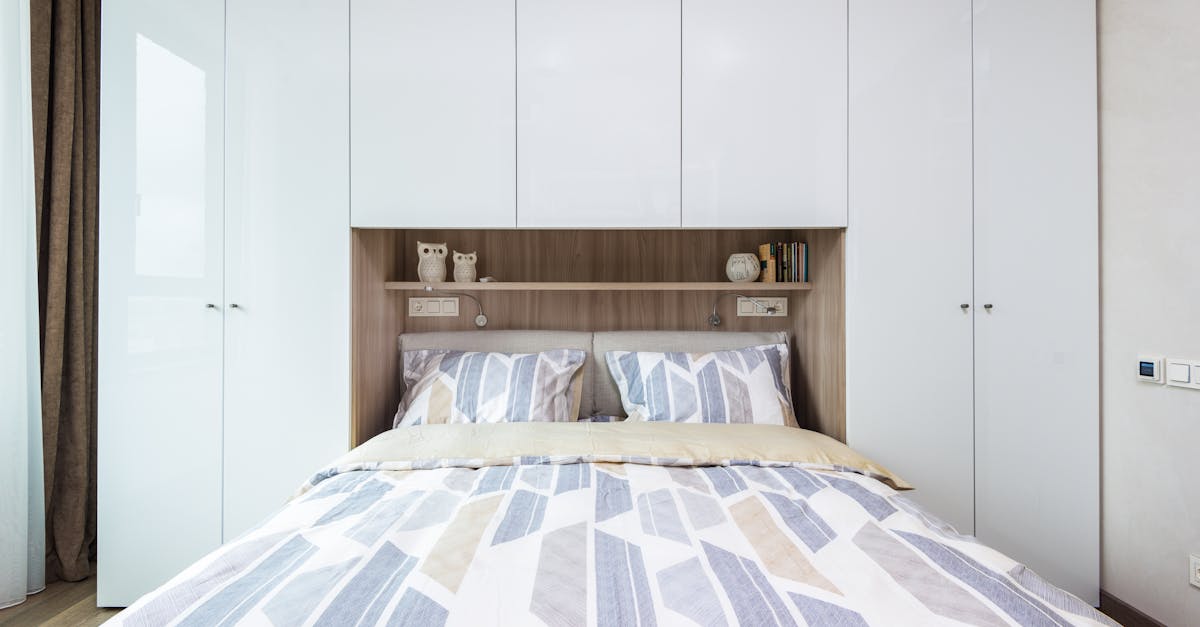
Built-in wardrobes offer an opportunity to create a uniquely organized space tailored to personal needs. Designing them with thoughtful layouts can significantly enhance efficiency. Incorporating adjustable shelves, pull-out drawers, and designated sections for specific items can optimize storage. This organizational flexibility allows users to easily access their belongings while making the most of available space.
When planning the layout of built-in wardrobes, it's essential to consider the flow of movement and accessibility. Positioning frequently used items at eye level ensures quick retrieval, while less commonly used items can be stored at higher or lower levels. Creating zones for different types of clothing and accessories promotes a smoother daily routine and reduces clutter. Thoughtful design not only maximizes the use of space but also elevates the overall functionality of the wardrobe.
FAQS
Why is skipping the design phase a mistake when creating built-in wardrobes?
Skipping the design phase can lead to inefficient use of space, lack of functionality, and ultimately dissatisfaction with the final product. Detailed planning helps ensure that the wardrobe meets your specific needs and maximizes available space.
What should be included in the design phase for built-in wardrobes?
The design phase should include a thorough assessment of your storage needs, measurements of the available space, consideration of organization systems, and a plan for lighting and accessibility. This comprehensive approach ensures a well-thought-out wardrobe.
How can lighting options affect the design of built-in wardrobes?
Ignoring lighting options can result in a dark, uninviting wardrobe that makes it difficult to see and access your belongings. Proper lighting enhances visibility, adds ambiance, and can even make the space feel larger and more welcoming.
What are some effective lighting options for built-in wardrobes?
Effective lighting options include LED strip lights, recessed lighting, and motion-sensor lights. These options improve visibility and can be strategically placed to highlight specific areas, making it easier to find items.
Why is it important to consider organization systems in built-in wardrobe design?
Organization systems are essential for maximizing storage efficiency and ensuring that items are easy to access. Overlooking these systems can lead to clutter and frustration, making it harder to maintain an organized space. Implementing smart layouts and storage solutions can help keep your wardrobe tidy and functional.